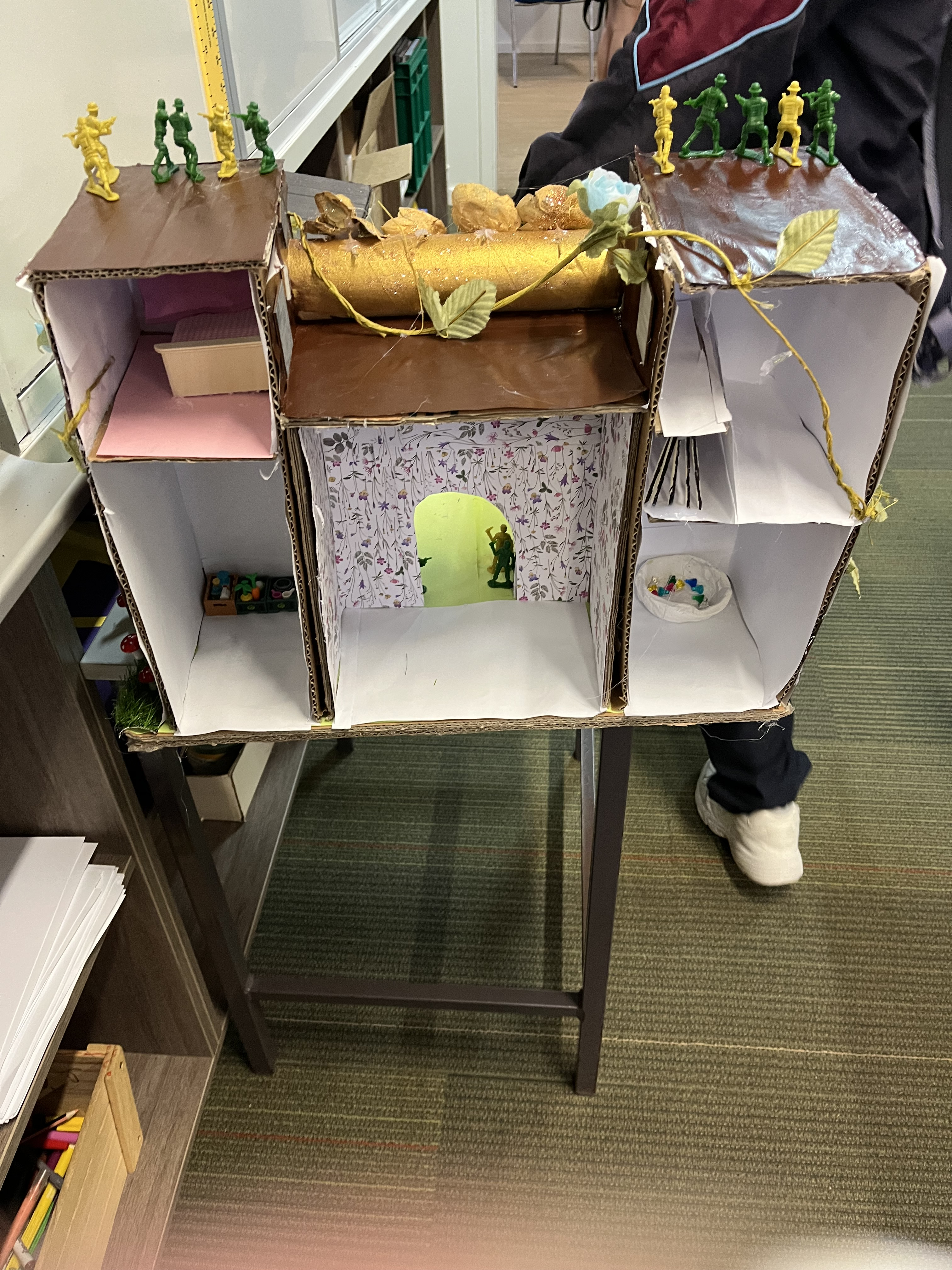
Our 3D Model
The 3D model we created represents what the cities of the Ottoman Empire might have looked like during its most powerful years. It includes examples of the kinds of buildings that both ordinary people and important figures like the Sultans lived in. The goal of the model was to show a realistic snapshot of daily life and the different living conditions based on social status.
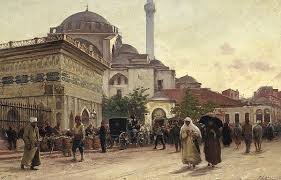
Everyday lives in the Ottoman Empire
The Ottoman Empire was home to many houses, especially for peasants and lower-class citizens, who lived in simple, smaller homes. These houses were basic but functional, built close together and often made from local materials. The design of our model reflects this, capturing the way regular people lived and how their homes were arranged in the city layout.
The Castle
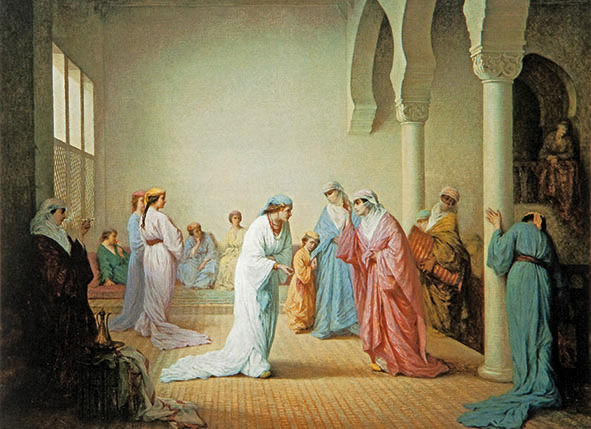
In contrast, Sultans and members of the royal family lived in large, impressive castles or palaces. These buildings were not just homes, they were symbols of power, wealth, and authority. In our model, we included a grand structure to represent the type of place a Sultan would live in. We tried to show not only the size and beauty of these buildings but also how they stood out from the rest of the city.
Our process
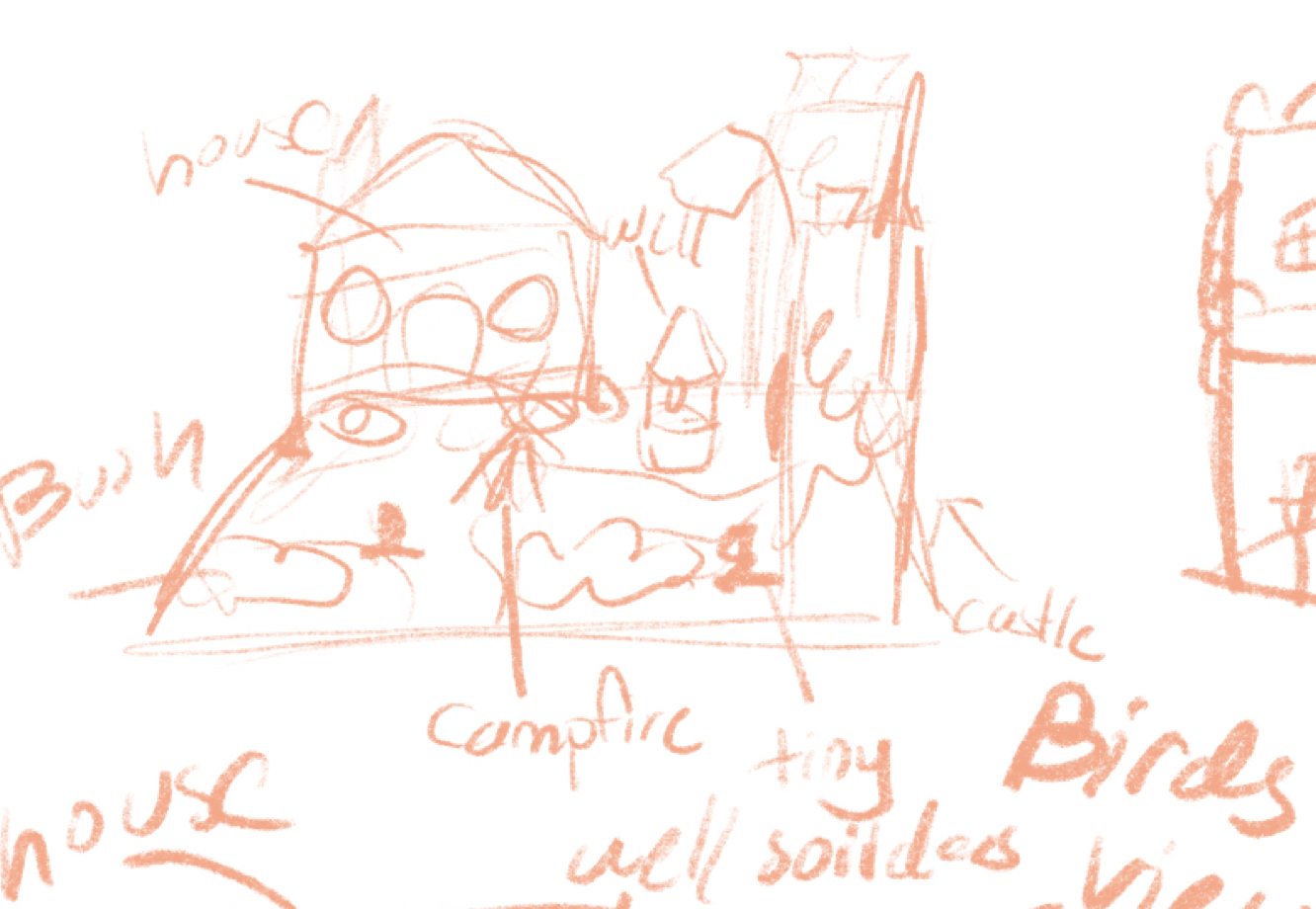
Sketch Draft
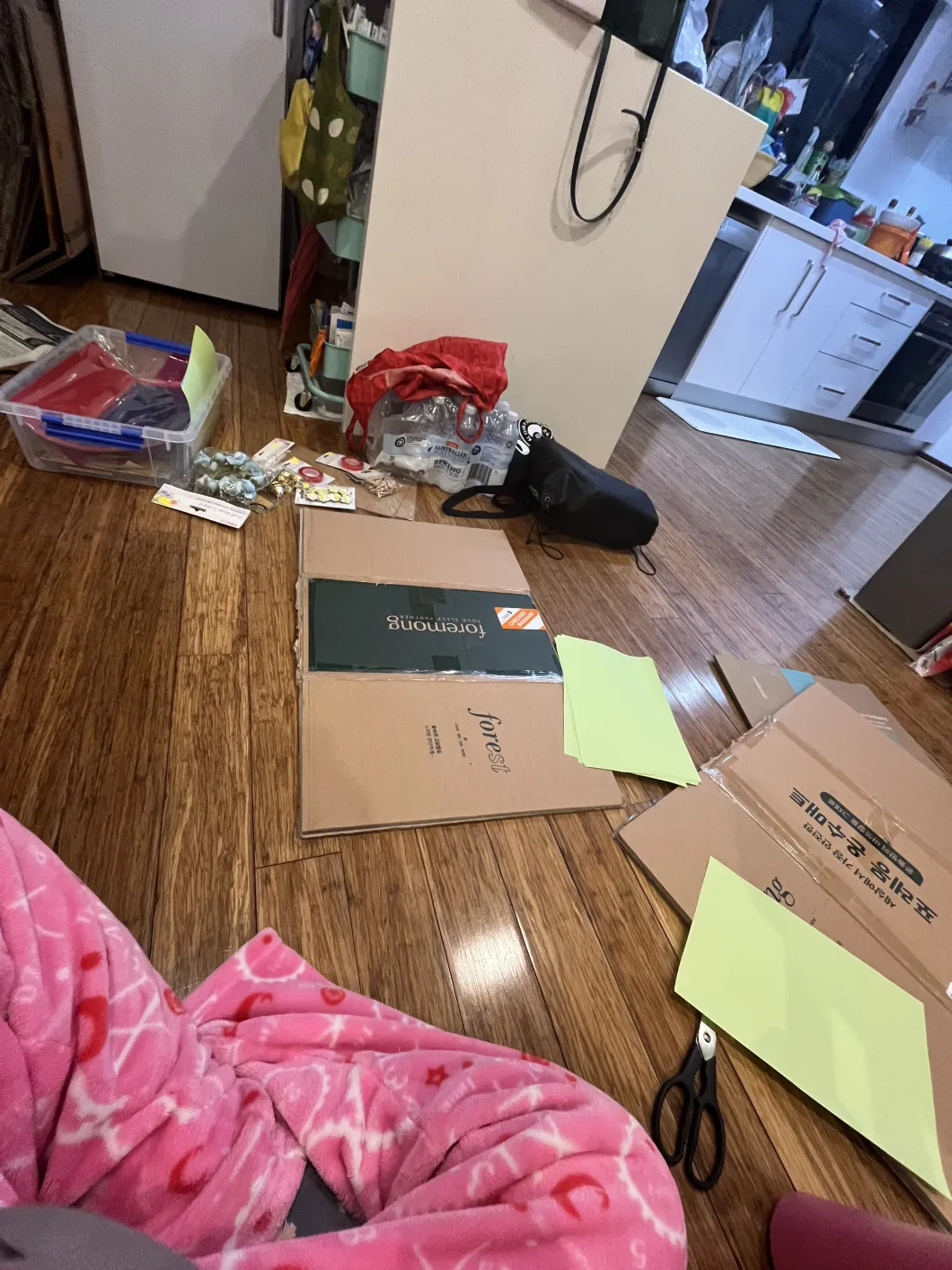
Building the 3D model
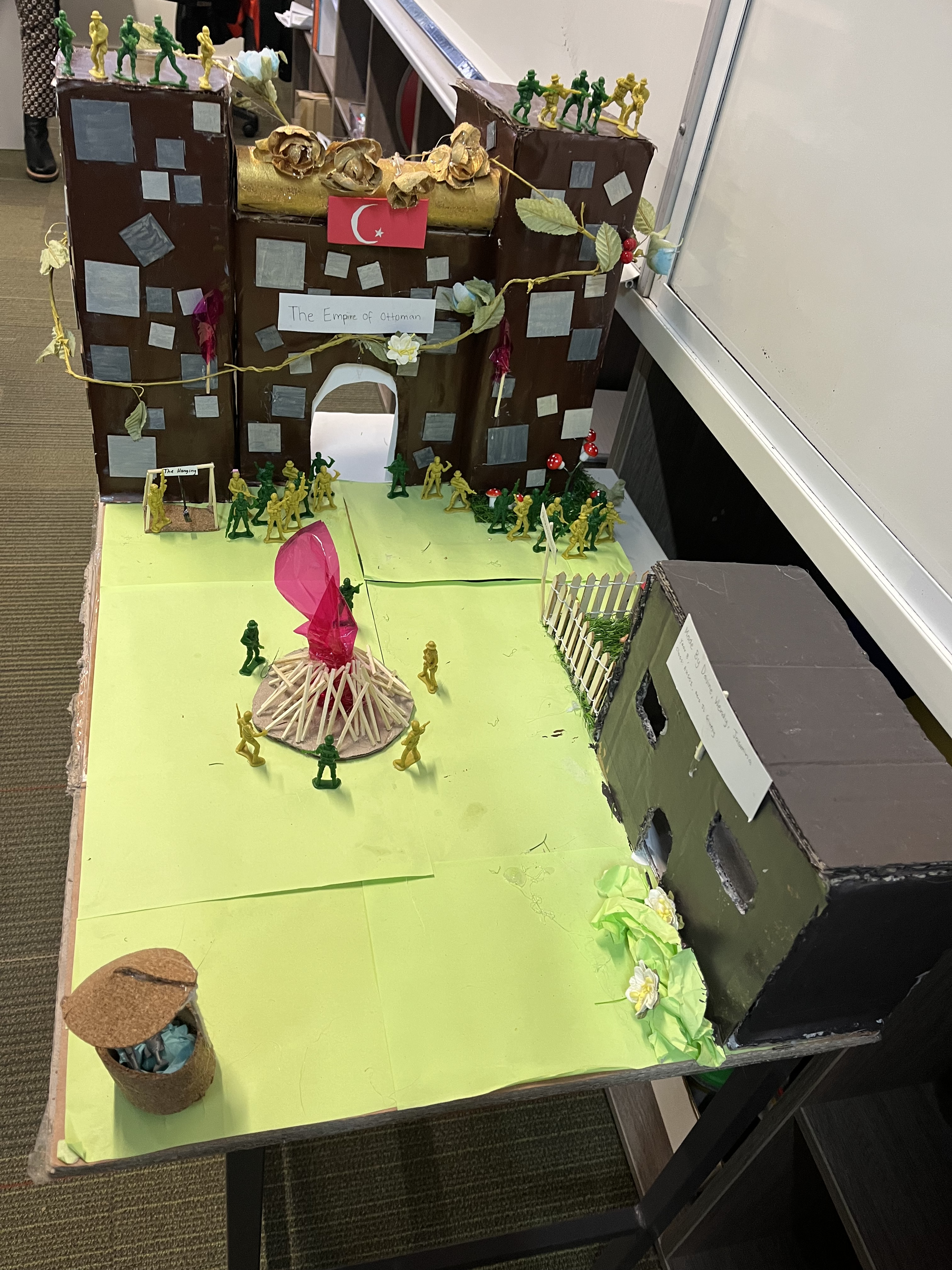
Final product
Information by Jasmina
The 3D Model